Stakeholder Engagement
Sustainability
Our Approach
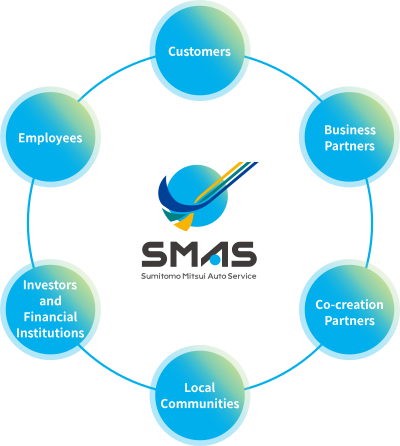
Under our Multi-Stakeholder Policy, we work appropriately and collaboratively with a diverse range of stakeholders as we pursue activities aimed at realizing a sustainable society. The Group analyzes how stakeholders influence our business and the extent to which we depend on them. Through this analysis, we identify those stakeholders with whom we have particularly deep relationships, and by strengthening our engagement with them, we aim to build sustainable relationships.
Customers
The Group aims to enhance customer satisfaction through engagement with our customers.
By valuing customer feedback and providing services and solutions that meet true needs and exceed expectations, we work together with our customers to create new value and help realize a sustainable society.
Major examples of engagement are as follows.
- Customer needs surveys and customer satisfaction (CS) surveys
- Customer seminars
- Webinars on safe driving and accident prevention, EVs, and improving vehicle-management efficiency
- Introducing accident-reduction and EV-adoption case studies via Mobili+ (Mobilitas)
- EV test-drive events
- Proposing SDGs Lease “Mirai 2030®” (donation model)
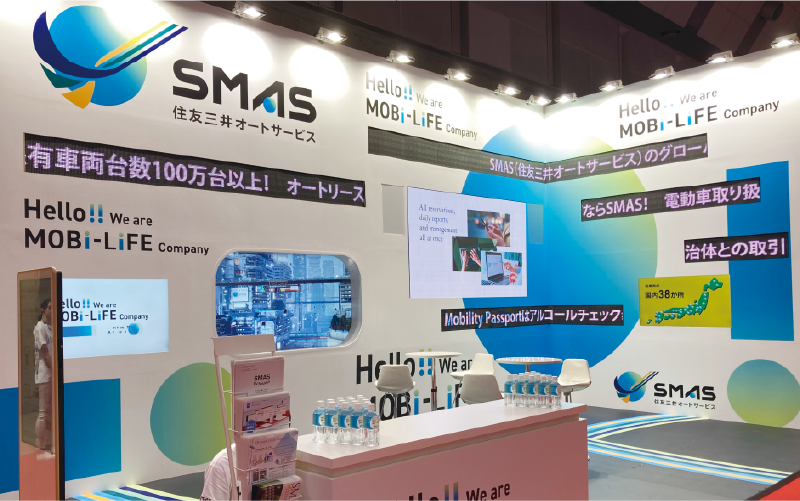
- Exhibitions
Business Partners (Suppliers, Regional-Bank-Affiliated Leasing Companies, Agents, Maintenance/Repair Shops)
The Group seeks to build trusting relationships with business partners through engagement grounded in fair and impartial transactions. We place importance on legal compliance, respect for human rights, and environmental consideration, and we promote ethical business practices throughout the supply chain. In addition, through sustainability-oriented procurement, we work to strengthen partnerships aimed at a sustainable future.
Major examples of engagement are as follows.
- Publication of the Partnership-Building Declaration
- Promotion of sustainability-oriented procurement
- Collaboration with regional-bank-affiliated leasing companies on decarbonization initiatives
- Formation of a Premium Club with major agents, with regular interaction through board meetings and regional block meetings
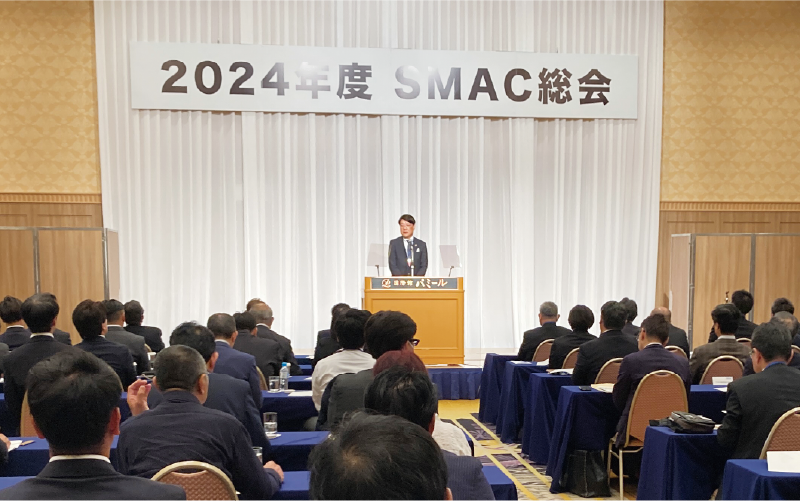
- Organization of SMAC for affiliated maintenance/repair shops, providing automotive diagnostic tools and training sessions
- Sponsorship of the Maintenance Service Provider Awards
Co-creation Partners
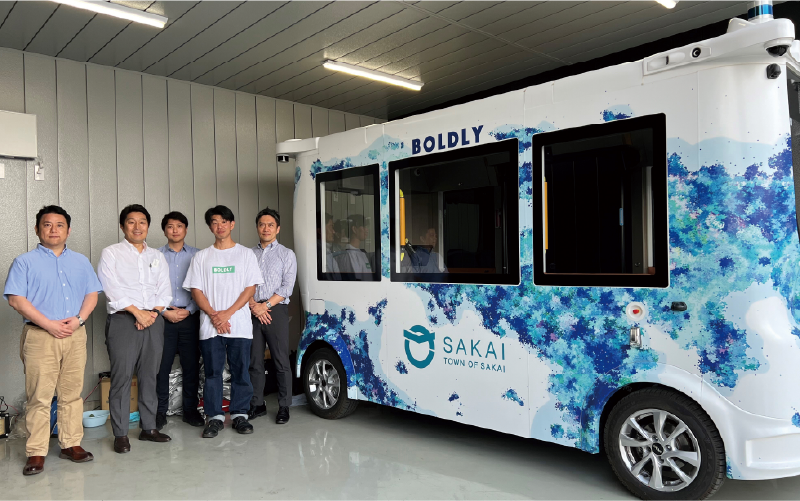
The Group seeks to work toward a sustainable future through engagement with our co-creation partners. We promote innovation through collaboration and build fair, trust-based partnerships by emphasizing environmental considerations and social responsibility. Through these efforts, we create new business opportunities and pursue sustained growth together with our business partners.
Major examples of engagement are as follows.
- Strengthening global collaboration with fleet management companies in Europe and the United States
- Collaboration with other companies to achieve seamless mobility
- Support for installing EV charging infrastructure
- Collaboration on EV data analysis services
- Initiatives to promote electrification and decarbonization in the taxi industry
- Demonstration testing and commercialization of autonomous buses
Local Communities
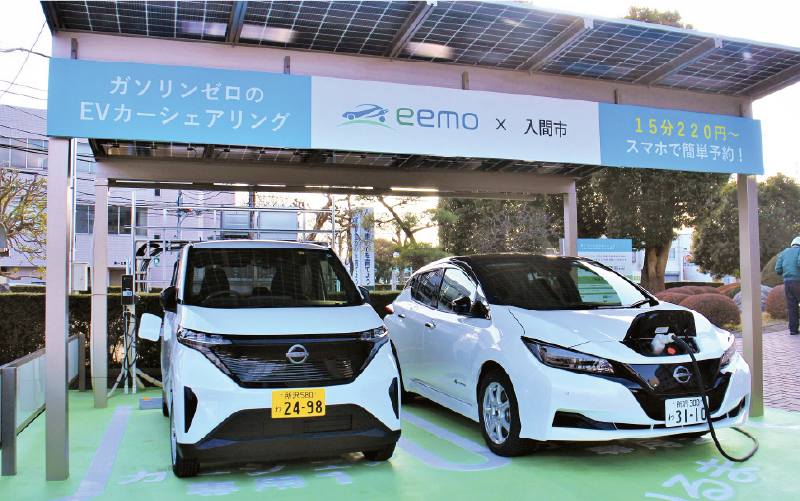
The Group engages with local communities with the aim of contributing to their sustainable development. By collaborating with municipalities and providing services and solutions tailored to regional characteristics, we contribute to achieving zero-carbon cities and reducing traffic accidents. We also pursue multifaceted initiatives to build trusting relationships with local communities.
Major examples of engagement are as follows.
- Concluding comprehensive regional collaboration agreements with municipalities
- Proposing EVs and providing support for their adoption to help municipalities realize zero-carbon cities
- Verifying the feasibility of utilizing reused EV vehicles
- Participating in regional SDGs consortiums
- Dialogue conducted through industry associations
Investors and Financial Institutions

Through engagement with investors and financial institutions, we aim to achieve highly transparent management and build strong relationships of trust. By providing appropriate information disclosure and proactive communication, we deepen mutual understanding and maintain confidence. Feedback received is reflected in management decisions, contributing to sustainable growth and the enhancement of corporate value.
Major examples of engagement are as follows.
- Shareholders’ meetings
- Securities reports and semiannual reports
- Meetings and information exchanges with investors
- Issuance of sustainability bonds
Employees
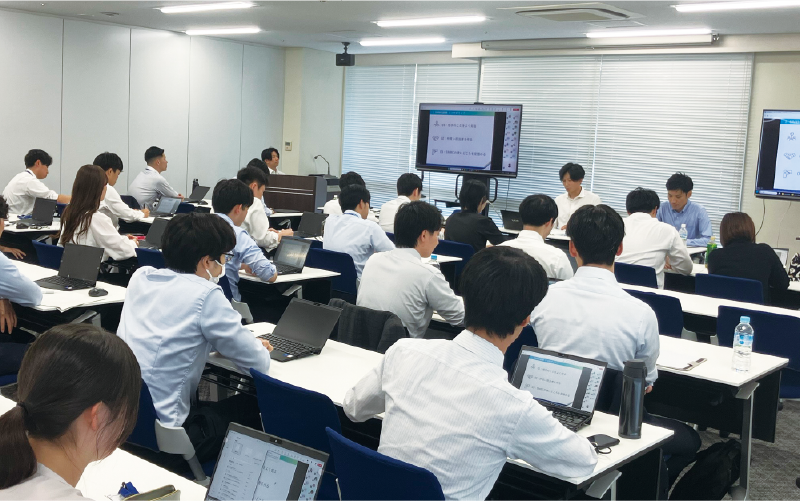
The Group seeks to cultivate a healthy work environment that respects human rights and allows everyone to work authentically, fostering a workplace where diverse talent can perform at their best and find true fulfillment. In doing so, we aim for mutual growth between employees and the company while contributing to solutions for social challenges.
Major examples of engagement are as follows.
- Messages from the President and executives, and business plan briefings
- Promotion of the Workstyle Evolution Project for workstyle reform
- Advancement of the Good Workplace initiative to prevent harassment
- Establishment of compliance and harassment helplines
- Employee stress checks
- Self-reporting system, internal job posting system, and career planning support programs
- Fair evaluation and treatment, and labor-management dialogue
- Provision of education, training, and e-learning
- Sustainability awareness surveys
- Internal intranet, corporate social network, and internal newsletters
Participation in Initiatives
The United Nations Global Compact (UNGC) is the world’s largest sustainability initiative, established to address challenges arising from rapid globalization through collaboration between the UN and private companies and organizations, with the goal of building a healthy society. As of June 4, 2025, over 20,000 companies and organizations from more than 160 countries have joined. Private companies and organizations that sign the UNGC endorse the 10 principles across four areas regarding human rights, labor, environment, and anti-corruption, and are expected to make continuous efforts to implement these principles under the direct commitment of their top management. The Company joined the UNGC in March 2014 and applies the 10 principles across four areas to its business activities, working through a PDCA (Plan-Do-Check-Act) cycle to enhance corporate value. We also actively participate as a member company in the activities of the Global Compact Network Japan, the local Japanese network. For fiscal 2024, we participated in 12 specialized subcommittees focusing on themes such as supply chain, environmental management, internal UNGC dissemination, the Kansai region, human rights education, human rights due diligence, disaster prevention and mitigation, SDGs, ESG, WEPs, the circular economy, and well-being. Through these activities, we gained insights from leading companies and experts, which we are leveraging to advance our sustainability initiatives.